
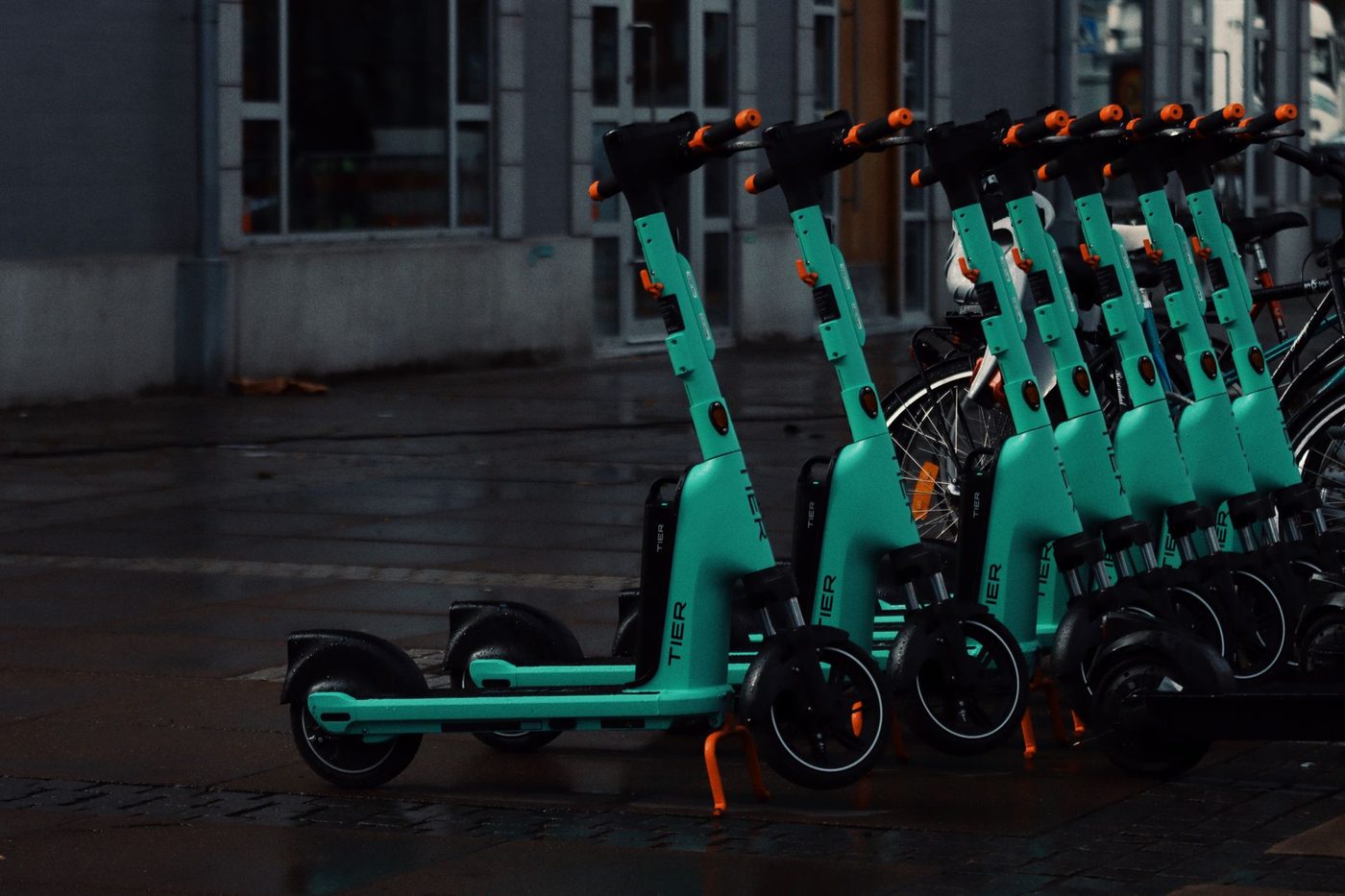
If an e-scooter battery begins to smoke or catches fire: get out, stay out and call 999. London Fire Brigade (LFB) says to get out immediately, raise the alarm, call 999 and not attempt to tackle the fire yourself, and adds that lithium-ion battery fires can spread rapidly and produce toxic smoke. The Department for Transport’s battery guidance uses the wording “Raise the alarm, get out, stay out and call 999 immediately”.
The rest of this guide covers a quieter question: what do heat, cold and rain do to an e-scooter battery? It draws on LFB’s page on weather and e-bikes and e-scooters, the Department for Transport (DfT) guidance on battery safety for e-scooter users, which is published on GOV.UK and states that it applies to England, Scotland and Wales, and GOV.UK’s rules page. LFB’s page covers e-bikes and e-scooters together. General information only; follow your manufacturer’s instructions.
Hot weather and sunlit storage
LFB says high temperatures can put stress on lithium-ion batteries and increase the risk of overheating. Heat can make the chemicals inside the battery break down more quickly, which may reduce its lifespan, affect charging performance and increase the risk of overheating or failure.
The steps LFB lists are to avoid leaving batteries in direct sunlight for long periods, store them in cool, dry places, let the battery cool before charging after a ride, and not charge a battery that already feels very hot. If a battery becomes unusually hot to the touch, LFB says to stop using it and let it cool. The DfT guidance says batteries should never be exposed to extreme temperatures, with direct sunlight named, and that a battery that is hot after intensive use should cool before charging. It adds that a battery that feels extremely hot to the touch may be defective and at risk of fire, so charging should stop immediately.
Cold snaps: shorter range, slower charging
For cold weather, LFB describes mainly a performance effect: reduced range, slower charging and the battery losing charge more quickly, because chemical reactions inside the battery slow down at lower temperatures. In its words, cold conditions usually affect performance rather than safety, but repeatedly exposing batteries to very low temperatures can cause damage over time.
Its advice is to avoid leaving the battery outside overnight in winter, to let a cold battery warm to room temperature before charging, and to remember that charging a battery that is extremely cold can damage it. It also attaches a condition to bringing a battery indoors: make sure it will not block your escape route if it starts a fire. The DfT guidance makes a similar point, advising people not to charge an e-scooter where it could stop them leaving the home safely, and to avoid storing or charging on escape routes or in communal areas of multi-occupied buildings.
Freezing temperatures
LFB says lithium-ion batteries are not designed to operate in freezing conditions. Repeated exposure to freezing can lead to permanent capacity loss, internal damage and reduced battery life. If a battery has been left in freezing conditions, LFB says to let it warm up slowly indoors before using or charging it, and not to attempt to charge a frozen battery.
Rain, puddles and washing
LFB says most e-bikes and e-scooters are designed to withstand light rain and splashes during normal use, but lithium-ion batteries are not waterproof. Water reaching the battery or electrical components can cause short circuits, corrosion and battery failure, and LFB calls submerging a battery or exposing it to heavy flooding particularly dangerous.
- Avoid riding through deep water or flooding.
- Do not wash an e-bike or e-scooter with high-pressure water.
- Dry the bike and battery if they become wet.
- Remove and dry the battery if possible before charging.
LFB’s page says that a battery that has been submerged in water should not be used.
Signs the weather may have damaged a battery
LFB lists an unusually hot battery, swelling or bulging, unusual smells and significantly reduced performance. If any appear, it says to stop using the battery and seek advice from the manufacturer or retailer. The DfT guidance adds noises, with failing lithium batteries reported to make hissing or cracking sounds, and leaks. For a battery that shows warning signs but is not smoking or on fire, DfT says to turn off and unplug the charger immediately and, if possible, carefully move the scooter or battery outside, away from people, pets and combustible materials.
The DfT page adds that damaged batteries can catch fire without warning, and that a battery with suspected damage should be replaced and not charged or used.
Where a private e-scooter can be used
GOV.UK states that it is illegal to ride a privately owned electric scooter in public, for example on pavements, on roads or in parks, and that riders could be fined, get penalty points on a driving licence and have the scooter seized by the police. It says a privately owned e-scooter can be ridden only on private land with the landowner’s permission.
Quick answers
Do these pages give a safe temperature range?
No figure appears on the LFB weather page or the DfT guidance. The DfT page tells owners to follow the manufacturer’s instructions for storage, charging and maintenance of the battery pack.
The bottom line
LFB advises keeping batteries out of strong sun for long periods, letting them cool after a ride, letting a cold battery warm to room temperature before charging, drying them after rain, and not using one that is unusually hot, swollen, smelly or has been submerged. Both LFB and the DfT raise the escape route: neither wants a battery stored or charged where it could block your way out. The DfT adds that a battery should never be exposed to extreme temperatures and that the manufacturer’s instructions apply. If a battery smokes or catches fire, get out, stay out and call 999.
Sources
- Heat, cold and rain: How weather conditions affect e-bikes and e-scooters (London Fire Brigade, london-fire.gov.uk, read 27 October 2026)
- What to do if there’s a fire caused by an e-bike or e-scooter (London Fire Brigade, london-fire.gov.uk, read 27 October 2026)
- Battery safety for e-scooter users (Department for Transport, gov.uk, published 1 February 2024)
- Riding an electric scooter: the rules (gov.uk, read 27 October 2026)