
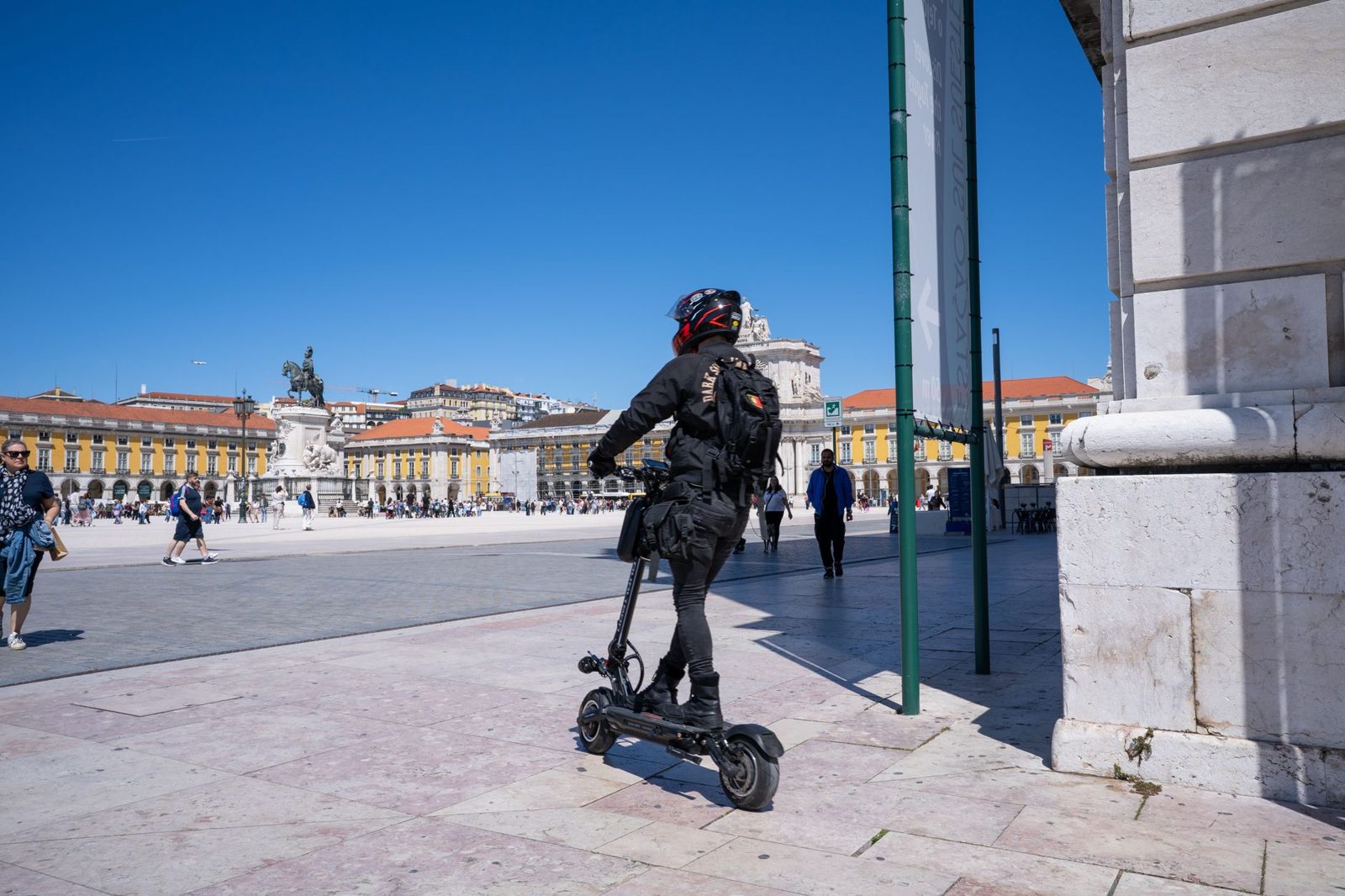
Quick answer: Private e-scooters are legal in public in Queensland, Victoria, South Australia, Western Australia, Tasmania and the ACT, as long as the device meets local rules (generally a top speed of 25 km/h) and you wear a helmet. They are still illegal in public in New South Wales and, for most scooters, in the Northern Territory. Minimum ages, footpath speed limits and road access differ by state, and Queensland added a licence requirement from 31 August 2026. Checked September 2026.
Australia has no single national e-scooter law. Each state and territory adapts the Australian Road Rules in its own way, and the differences matter. A scooter you can legally ride on a Perth footpath could earn you a fine in Sydney. This guide sets out the rules in each jurisdiction, using official state and territory government pages.
State-by-state summary
| State or territory | Private e-scooters in public? | Footpath speed | Road access and speed | Minimum age | Helmet |
|---|---|---|---|---|---|
| Queensland | Yes (licence needed from 31 Aug 2026) | 12 km/h | Roads and bike lanes up to 60 km/h limit; 25 km/h max | 16 with a licence (supervised exemptions for younger riders) | Required |
| New South Wales | No, private property only (shared trial sites aside) | Not allowed | Not allowed | n/a | n/a |
| Victoria | Yes | Not allowed on footpaths | Shared paths, bike paths and roads up to 60 km/h; 20 km/h max rider speed | 16 | Required |
| South Australia | Yes | 10 km/h | Roads up to 50 km/h (bike lane only on 60 km/h roads); 25 km/h max | 16 | Required |
| Western Australia | Yes | 10 km/h | Roads and bike lanes up to 50 km/h; 25 km/h max | 16 | Required |
| Tasmania | Yes | 15 km/h | Local roads up to 50 km/h meeting conditions; 25 km/h max | 16 | Required |
| ACT | Yes | 15 km/h | Roads only where no path is available or practical; 25 km/h on shared and bike paths | Under 12s must be supervised | Required |
| Northern Territory | Only low-powered scooters (200 W, 10 km/h) and approved Beam hire scooters in Darwin | See below | Not on roads over 50 km/h | Beam hire: 18 | Required |
Queensland
Queensland treats e-scooters as personal mobility devices (PMDs). A PMD must be designed for one person, weigh no more than 60 kg, and not exceed a motor-propelled speed of 25 km/h. New laws took effect in stages from 1 July 2026, with the full reforms from 31 August 2026.
- Licence and age: since 31 August 2026 “you must be 16 and hold a valid driver licence (minimum learner)” to ride an e-scooter. Under-18s without a licence can ride under a parental supervision exemption, and there are place and medical exemptions.
- Footpaths: 12 km/h maximum. Shared paths: 12 km/h when passing pedestrians unless signed otherwise.
- Separated and bicycle paths: 25 km/h maximum unless signed otherwise.
- Roads: allowed on roads and bike lanes with a speed limit of 60 km/h or less, and in physically separated bike lanes, at up to 25 km/h.
- Helmet: an approved bicycle or motorbike helmet must be worn and fastened.
- Alcohol: riding with a BAC of 0.05 or above is illegal. The Queensland Government says riders over the limit face fines of more than $500, with court penalties of up to $6,908.
- Registration and insurance: not currently required.
From 1 July 2026 police gained powers to seize and destroy illegal devices, and e-scooters that can exceed 25 km/h unassisted are banned. You do not accumulate demerit points for PMD offences, but you may receive the same fines as motorists. Check the Department of Transport and Main Roads (TMR) for current fine amounts.
New South Wales
The NSW Government states: “It is currently illegal to ride privately owned e-scooters in public places in NSW.” You can only ride a private e-scooter on private property, and “significant fines apply.”
Shared (hire) e-scooters have been allowed in designated trial sites. At the time of checking, the NSW Government’s page still listed trials in Forster-Tuncurry and Wollongong “until 30 June 2025”, so check whether any trial is currently running before you ride. Riding a private scooter in a trial area is still illegal.
NSW has published draft key rules and says it is “exploring options” to legalise e-scooter riding, but no new law was in force when we checked.
Victoria
Transport Victoria says e-scooters that comply with the Victorian road rules “are legal to use across Victoria.” A legal e-scooter has a maximum speed of 25 km/h on level ground, two wheels, a footboard, handlebar steering, and weighs no more than 45 kg.
- Age: 16 or over
- Helmet: required
- Speed: ride at no more than 20 km/h
- Where: shared-use paths, bicycle paths and roads with a speed limit of up to 60 km/h
- Not allowed: footpaths, roads above 60 km/h, passengers or animals, hand-held phones, riding side by side, or riding under the influence
- Licence: not needed, but drink or drug riding can affect your driver’s licence
Selected fines, current as of 1 July 2026, include:
| Offence (Victoria) | Penalty |
|---|---|
| Riding a non-compliant e-scooter (capable of more than 25 km/h) | $1,046 |
| Using a hand-held mobile phone | $627 |
| Failing to wear a helmet | $418 |
| Riding on a road with a limit over 60 km/h | $366 |
| Riding on a footpath | $314 |
| Riding if under 16 | $314 |
| Exceeding 20 km/h | $261 |
South Australia
South Australia’s Department for Infrastructure and Transport says private e-scooters and other PMDs “were legalised for use on footpaths, shared paths, bike paths, and many bike lanes and roads in South Australia on 13 July 2025.” A review of the rules began in June 2026, so changes are possible.
- Age: at least 16
- Helmet: approved bicycle or motorbike helmet
- Footpaths, shared paths, beaches and crossings: 10 km/h maximum
- Separated footpaths, bike paths, bike lanes and roads up to 50 km/h: 25 km/h maximum
- Roads with a 60 km/h limit: e-scooters only, and only in a bicycle lane, at up to 25 km/h
- Device: electric, one rider, 45 kg or less, working brakes and a bell or horn
- Licence and registration: not required
Expiation (fine) amounts as of 1 July 2026 include $222 for speeding, $484 for riding an e-scooter on a road over 60 km/h (or on a 60 km/h road outside a bike lane), and $133 for not wearing a helmet or carrying a passenger. An additional $108 Victims of Crime Levy applies. E-scooters are not allowed on SA public transport.
Western Australia
WA calls e-scooters “eRideables.” An eRideable must not go faster than 25 km/h on level ground, must weigh 25 kg or less, and be designed for one person. “Only people aged sixteen and over are allowed to use eRideables.”
- Footpaths and pedestrian crossings: 10 km/h
- Bicycle paths and shared paths: 25 km/h
- Roads (up to 50 km/h) and bicycle lanes on those roads: 25 km/h
- Illegal: roads and bike lanes where the limit is more than 50 km/h, and paths marked “no wheeled devices”
- Helmet: any approved bicycle, skateboard or motorcycle helmet
WA’s Road Safety Commission lists fines including $100 for speeding on a road or path, $100 for exceeding 10 km/h on a footpath, $50 for no helmet, $50 if a child under 16 rides, $500 to $1,000 for unlawful mobile phone use, and $100 for riding on a road with a limit over 50 km/h ($500 if the limit exceeds 70 km/h).
Tasmania
In Tasmania a PMD must be electric, weigh less than 45 kg, be designed for one person, and not be capable of more than 25 km/h. Transport Services Tasmania says:
- Age: 16 or older. Under-16s may use low-powered e-scooters of no more than 200 watts and 10 km/h.
- Helmet: required for all PMD users
- Where: footpaths, shared paths, bicycle paths, and local roads with a speed limit of 50 km/h or less, no dividing lines or median strip, and not multi-lane one-way roads
- Speed: 15 km/h on footpaths, 25 km/h on shared paths, bicycle paths and roads
- Registration and insurance: not required
Tasmania Police enforce the rules and can fine riders and temporarily confiscate a PMD. Check Transport Services Tasmania for fine amounts.
Australian Capital Territory
The ACT allows private and shared e-scooters. A legal device is electric, for one rider, weighs 60 kg or less, has brakes and a maximum speed of 25 km/h on level ground.
- Where: footpaths, shared paths and nature strips. Roads only where there is no path or it is not practical or safe to use one, and then by the shortest practical route.
- Speed: 15 km/h on footpaths, 25 km/h on shared paths and bicycle paths, and 10 km/h when approaching and crossing a crossing
- Helmet: required
- Age: children under 12 must be supervised by an adult. Lime shared scooters are 16 and over.
- Other: no passengers, a warning device such as a bell, and lights and reflectors at night
Check ACT City Services or Access Canberra for fine amounts.
Northern Territory
The NT Government says most e-scooters sold for private use do not meet its definitions. The only e-scooters allowed in public are:
- Motorised scooters under Australian Road Rule 244A(1): maximum 200 watts and 10 km/h. Riders must wear a bicycle helmet, give way to pedestrians and not ride on roads over 50 km/h or with a dividing line or median strip.
- Beam hire e-scooters in the approved Darwin operating area: riders must be at least 18, wear a helmet, and mostly stay on footpaths, shared paths and bicycle paths, at a capped 15 km/h.
Any other e-scooter is a “non-complying motor vehicle.” Riding one in public can bring fines for driving an unregistered or uninsured vehicle, driving unlicensed, demerit points and even licence cancellation, unless the Registrar of Motor Vehicles has granted an exemption.
Where to check the law
This guide was checked in September 2026. Official places to check: Queensland TMR (qld.gov.au), Transport for NSW (nsw.gov.au), Transport Victoria, SA’s My Licence site, WA’s Road Safety Commission, Transport Services Tasmania, ACT City Services, and NT.GOV.AU.
This article is general information, not legal advice. Rules and fines change, and local councils can add their own restrictions. For advice about your own situation, speak to a qualified lawyer or the relevant state or territory authority.
Sources
- Queensland Government: Rules for personal mobility devices (qld.gov.au)
- Queensland Ministerial Media Statement: Nation-leading e-mobility laws (2 June 2026) (statements.qld.gov.au)
- NSW Government: Riding electric scooters in NSW (nsw.gov.au)
- NSW Government: Where can I ride an e-scooter in NSW (nsw.gov.au)
- NSW Government: Legalising e-scooter riding in public places (nsw.gov.au)
- Transport Victoria: E-scooter road rules (transport.vic.gov.au)
- South Australia My Licence: Personal mobility devices (mylicence.sa.gov.au)
- SA Department for Infrastructure and Transport: Review of e-scooter laws commences (26 June 2026) (dit.sa.gov.au)
- WA Road Safety Commission: eRideables (wa.gov.au)
- WA Road Safety Commission: eRideable offences and penalties (wa.gov.au)
- Transport Services Tasmania: Personal mobility devices (transport.tas.gov.au)
- ACT City Services: E-scooters and personal mobility devices (cityservices.act.gov.au)
- NT.GOV.AU: Electric scooters and bikes