
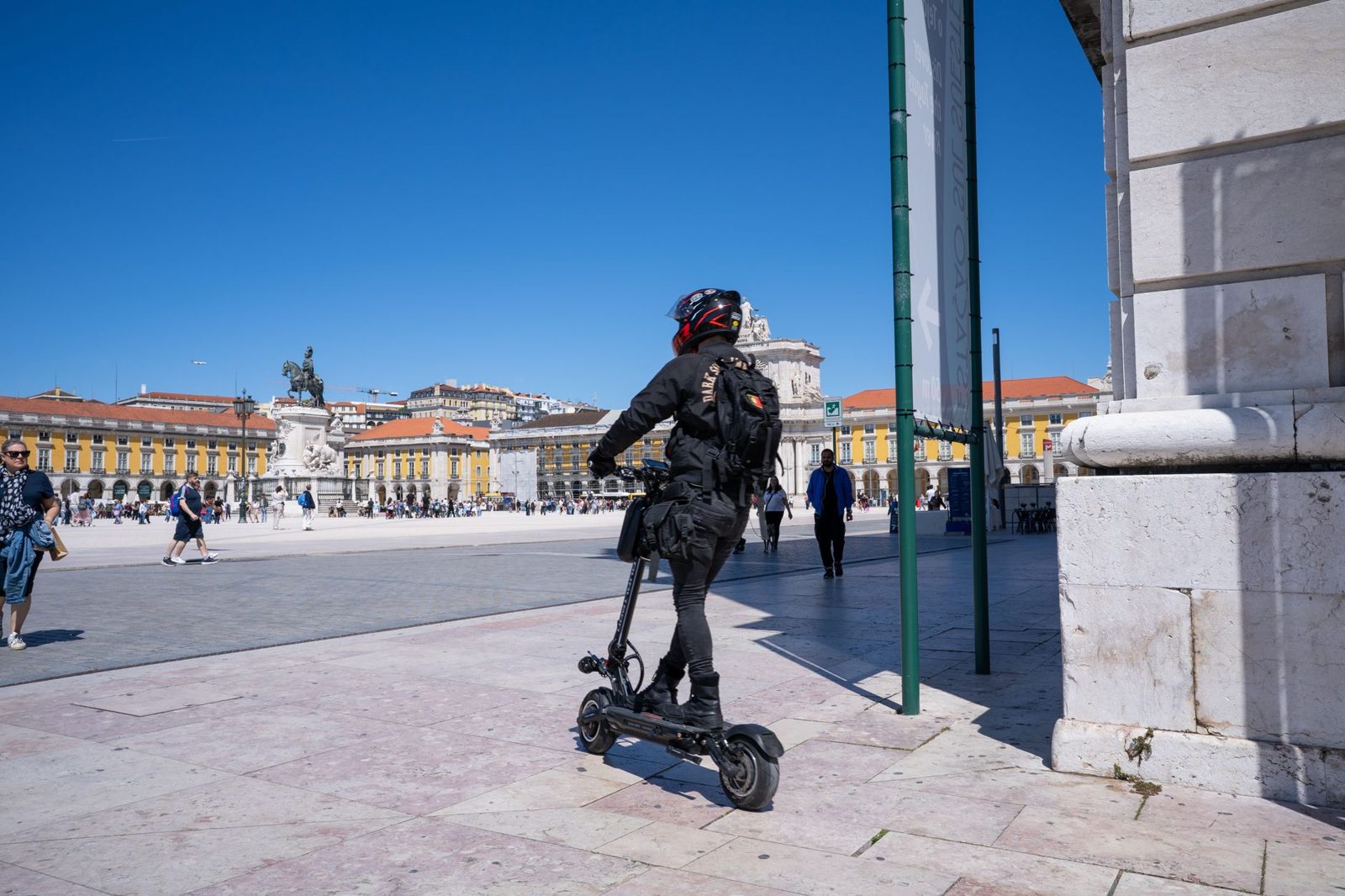
Quick answer: There is no single US law for riding an e-scooter. Each state sets its own rules, and most let cities add more, including banning scooters outright. Most states that have a scooter law treat the rider like a cyclist, cap speed at 15 to 20 mph, and keep scooters off faster roads. A few states have no scooter law at all, and Pennsylvania still says they can only be used on private property. Checked September 2026.
If you ride an electric scooter in the United States, three layers of rules can apply: federal product rules, state traffic law and city rules. This guide explains how they fit together, then gives a state-by-state table for all 50 states and Washington, DC, built from the statutes themselves. Where a state’s law is silent or unclear, we say so rather than guess.
What federal law does and doesn’t cover
Federal law (15 U.S.C. 2085) defines a low-speed electric bicycle as a two or three-wheeled vehicle with fully operable pedals, a motor under 750 watts and a top speed under 20 mph on motor power alone. Those bikes are treated as consumer products under Consumer Product Safety Commission (CPSC) rules. The law says nothing about stand-up scooters and nothing about where you can ride.
The CPSC’s own micromobility guidance tells riders to follow local traffic laws, noting that “requirements for helmets, riding locations, and roadway use are different in every community.” In practice, where and how you ride is a state and city question.
How to read the table
- Road use summarises where the state allows scooters. Many states give riders the same rights and duties as cyclists.
- Speed is the rider’s limit where the law sets one. “Device limit” means the law defines a scooter by its top speed rather than setting a riding limit.
- No state rule found means the scooter sections we read contain no such rule. Another law, or a city ordinance, may still apply.
- n/a marks states with no stand-up e-scooter law. Rules there are mostly set by cities, so check your local government’s website.
E-scooter laws by state
| State | Road use | Speed | Minimum age | Helmet | Sidewalks |
|---|---|---|---|---|---|
| Alabama | Only shared/rental scooters are addressed: they need city or county authorisation and ride with bicycle rights | Device limit 20 mph | Local option (shared) | No state rule found | Shared scooters must not block pedestrians |
| Alaska | No stand-up e-scooter category in state law; check local rules | n/a | n/a | n/a | n/a |
| Arizona | Yes, with bicycle rights and duties; no registration, licence or insurance | Device limit 20 mph | No state rule found | No state rule found | Left to bicycle rules and local law |
| Arkansas | Not addressed directly; local authorities regulate use on public property | 15 mph | 16 | No state rule found | Local rules |
| California | Roads posted 25 mph or less (locals may allow up to 35 mph); faster roads only in Class II or IV bikeways; driver's licence or permit required | 15 mph | Licence or permit required | Under 18 | Not allowed, except to enter or leave property |
| Colorado | Yes, with bicycle rights and duties; cities may regulate | Device limit 20 mph | No state rule found | No state rule found | Allowed unless signed or locally banned; yield and give an audible signal |
| Connecticut | Yes, with vehicle-driver rights; towns may regulate | Device limit 20 mph | No state rule found | 15 and under | Allowed unless locally banned; yield to pedestrians |
| Delaware | Low-speed scooters (15 mph or less) may go where bicycles can; faster scooters are banned on public highways | 15 mph | 14 | Under 18 | Not allowed |
| District of Columbia | Yes; must use a protected bike lane where available and safe | Set by DDOT (10 mph in 2021 guidance) | 16 for shared scooters | Under 18 is in shared-scooter rider education | Banned in the Central Business District |
| Florida | Yes, with bicycle rights and duties; no licence, registration or insurance; locals may regulate | Device limit 20 mph | Local option since 2025 | Under 16 (bicycle helmet rule appears to apply) | Local rules |
| Georgia | No e-scooter definition in state code; check local rules | n/a | n/a | n/a | n/a |
| Hawaii | Yes, with vehicle-driver rights; counties set further rules | 15 mph | 15 | Under 18 (from July 2026) | Left to counties |
| Idaho | No e-scooter definition in state code; check local rules | n/a | n/a | n/a | n/a |
| Illinois | Only where the local authority allows it; not on highways posted over 35 mph | Device limit 10 mph | 18 (new law from 1 Jan 2027 reported to lower this to 16) | No state rule found | Only if locally authorised (statewide ban reported from 2027) |
| Indiana | Yes, where bicycles may ride, subject to local rules | Device limit 20 mph | No state rule found | No state rule found | Local rules |
| Iowa | No scooter-specific law; small electric devices count as pedestrian conveyances | No state rule found | No state rule found | No state rule found | Not addressed |
| Kansas | Yes, under bicycle rules, but not on interstate, federal or state highways; locals may restrict | No state rule found | No state rule found | No state rule found | Local option |
| Kentucky | Yes, on highways, bike lanes and bike paths, subject to local rules | Device limit 20 mph | 16 | Not required by state law | Not addressed |
| Louisiana | Yes, unless a parish or city limits it (the statute is written for rental and commercial scooters) | Device limit 20 mph | No state rule found | Under 17 | Allowed unless locally banned |
| Maine | Yes, treated as a bicycle | 20 mph | Not confirmed | Not confirmed | Not addressed |
| Maryland | Yes, legally a bicycle; not on roads posted over 50 mph except the shoulder; use the bike lane where there is one | Device limit 20 mph | No state rule found | Under 16 | Allowed unless locally banned |
| Massachusetts | Covered by the older 'motorized scooter' law; a new micromobility law was still pending in September 2026 | Not confirmed | Not confirmed | Not confirmed | Local rules |
| Michigan | Yes, keep to the right; not on roads posted over 45 mph except to cross | 25 mph | No state rule found | No state rule found | Allowed; yield and give an audible signal |
| Minnesota | Yes, with bicycle rights and duties; bike paths and lanes unless locally banned | Device limit 15 mph | 12 | Under 18 | Not allowed, except to enter or leave property |
| Mississippi | No stand-up e-scooter law; check local rules | n/a | n/a | n/a | n/a |
| Missouri | Unclear; the 'motorized bicycle' rules (licence needed on public roads) may apply | Unclear | 16 for motorized bicycles | Encouraged, not required | Not stated |
| Montana | Yes, with vehicle-driver rights; roads, bike lanes and shoulders | Device limit 30 mph | No state rule found | No state rule found | Only under human power |
| Nebraska | No stand-up e-scooter law; check local rules | n/a | n/a | n/a | n/a |
| Nevada | Yes, with bicycle rights and duties | 15 mph | No state rule found | No state rule found | Where local ordinance allows |
| New Hampshire | Yes, as a personal mobility device with pedestrian rights | Device limit under 20 mph | No state rule found | No state rule found | Allowed; yield to pedestrians |
| New Jersey | Yes, on streets and bike paths, under bicycle rules; no licence, registration or insurance | Device limit under 19 mph | No state rule found | Under 17 (bicycle helmet law appears to apply) | Not addressed |
| New Mexico | No stand-up e-scooter law; check local rules | n/a | n/a | n/a | n/a |
| New York | Only on roads posted 30 mph or less; local governments may restrict or ban | 15 mph | 16 | 16 and 17 year olds | Not allowed unless a local law permits |
| North Carolina | No stand-up e-scooter law; check local rules | n/a | n/a | n/a | n/a |
| North Dakota | No scooter rule found in state law; check city rules | n/a | n/a | n/a | n/a |
| Ohio | Yes: streets, highways, sidewalks, paths and bike lanes; locals may regulate or ban | 20 mph | 16 to rent | No state rule found | Allowed; yield and give an audible signal |
| Oklahoma | Yes, but not on roads posted over 25 mph | 25 mph | 14 | No state rule found | Set by cities |
| Oregon | Yes, but not on roads posted over 25 mph except in a bike lane | 15 mph | 16 | All ages | Allowed with conditions (yield, walking pace at crossings) |
| Pennsylvania | No. PennDOT says e-scooters can only be used on private property | n/a | n/a | n/a | Not allowed |
| Rhode Island | No clear stand-up e-scooter category; check local rules | Unclear | Unclear | 15 and under for scooter riders | No state rule found |
| South Carolina | No stand-up e-scooter law; check local rules | n/a | n/a | n/a | n/a |
| South Dakota | Only on streets and paths where the city allows it by ordinance | Device limit 15 mph | No state rule found | No state rule found | Allowed, cities may restrict |
| Tennessee | Yes, under bicycle rules; cities and counties may regulate or ban | Device limit 20 mph | No state rule found | Not stated for scooters | No state rule found |
| Texas | Only on streets posted 35 mph or less; locals may prohibit | No state rule found | No state rule found | No state rule found | Allowed unless locally banned |
| Utah | Yes, under bicycle rules; not in public parking structures | 15 mph | 8 (supervision rules for 8 to 15 from May 2027) | No state rule found | Only where locally allowed |
| Vermont | No stand-up e-scooter law; check local rules | n/a | n/a | n/a | n/a |
| Virginia | Yes, with vehicle-driver rights; no interstates | 20 mph | Under 14 only with adult supervision | Local option for 14 and under | Allowed unless locally banned; yield and signal |
| Washington | Yes, like bicycles, plus bike lanes and paths; not on limited-access highways | Device limit 20 mph | No state rule found | No state rule found | Not allowed unless locally permitted |
| West Virginia | No stand-up e-scooter law; check local rules | n/a | n/a | n/a | n/a |
| Wisconsin | Yes, on roads, bike lanes and paths, subject to local rules | 15 mph | No state rule found | No state rule found | Allowed, subject to local rules |
| Wyoming | No specific rule; likely treated as a 'motorized skateboard' that locals regulate | n/a | n/a | n/a | n/a |
Recent and upcoming changes
- Hawaii: Act 259, signed in July 2026, raised the helmet age from under 16 to under 18.
- Delaware: a new low-speed scooter regime applies, and from 1 January 2026 scooters must carry a classification label.
- Florida: a 2025 law lets cities and counties set minimum ages and require photo ID.
- Illinois: a new law signed in August 2026 takes effect on 1 January 2027. News reports say it sets a minimum age of 16 and bans scooters from sidewalks statewide. Check the final text before relying on it.
- Utah: from 5 May 2027, riders aged 8 to 15 need adult supervision or a safety certificate, and freeways are banned.
- Massachusetts: a new micromobility framework was still in a conference committee in September 2026 and is not yet law.
- Pennsylvania: a bill that would allow scooters on some roads has been in committee since September 2025.
City rules matter as much as state law
In many states the statute hands most of the detail to cities and counties. They can ban scooters from sidewalks or whole districts, set lower speed limits, add age limits for rentals or ban them entirely. Washington, DC, for example, bans riding on sidewalks in the Central Business District. If you use a rental app, its terms usually add further rules, such as a minimum age of 18 and no-ride zones.
Safety tips wherever you ride
- Wear a helmet even where the law doesn’t require one. The CPSC recommends one for every ride.
- Use certified scooters and batteries, and charge them where you can see them.
- Ride predictably, give pedestrians priority, and use a bell or your voice when passing.
- Check the posted speed limit before riding on a road: several states keep scooters off roads posted above 25, 30 or 35 mph.
Laws in this area change often. This table was checked against state statutes and official pages in September 2026. Some statute sites blocked automated access, so a few states were checked using FindLaw or archived copies of the official text, and those are marked in the sources. Always confirm the current rules with your state and city before you ride.
Sources
- 15 U.S.C. 2085 (Cornell LII) (law.cornell.edu)
- CPSC Micromobility Information Center (cpsc.gov)
- Code of Alabama 32-19-2 (alison.legislature.state.al.us)
- Alaska Statutes 28.90.990 (akleg.gov)
- Arizona Revised Statutes 28-819 (azleg.gov)
- Arkansas Code 27-51-1903 (FindLaw) (codes.findlaw.com)
- California Vehicle Code 21235 (leginfo.legislature.ca.gov)
- Colorado Revised Statutes 42-4-1412 (colorado.public.law)
- Connecticut General Statutes, chapter 248 (cga.ct.gov)
- Delaware Code Title 21, chapter 41 (delcode.delaware.gov)
- DC Code 50-2201.03c (code.dccouncil.gov)
- Florida Statutes 316.2128 (flsenate.gov)
- Georgia Department of Public Safety: low-speed vehicles (dps.georgia.gov)
- Hawaii Revised Statutes 291C-139 (data.capitol.hawaii.gov)
- Idaho Code 49-106 (FindLaw) (codes.findlaw.com)
- 625 ILCS 5/11-1518 (FindLaw) (codes.findlaw.com)
- Indiana Code 9-21-11-13.6 (FindLaw) (codes.findlaw.com)
- Iowa Code 321.1 (legis.iowa.gov)
- Kansas Statutes 8-15,113 (ksrevisor.gov)
- Kentucky Revised Statutes 189.289 (apps.legislature.ky.gov)
- Louisiana R.S. 32:300.1.1 (FindLaw) (codes.findlaw.com)
- Maine Revised Statutes 29-A §2063 (legislature.maine.gov)
- Maryland Transportation §21-1207.1 (mgaleg.maryland.gov)
- MassBike: micromobility bill update (massbike.org)
- Michigan Compiled Laws 257.660 (FindLaw) (codes.findlaw.com)
- Minnesota Statutes 169.225 (revisor.mn.gov)
- Mississippi Code 63-3-103 (FindLaw) (codes.findlaw.com)
- Missouri State Highway Patrol: mopeds and scooters (mshp.dps.missouri.gov)
- Montana Code 61-8-602 (mca.legmt.gov)
- Nebraska Revised Statutes 60-6,376 (archived) (web.archive.org)
- NRS 484B.785 (nevada.public.law)
- NH RSA chapter 269 (archived) (web.archive.org)
- N.J.S.A. 39:4-14.16 (FindLaw) (codes.findlaw.com)
- NMSA 66-3-1102 (archived) (web.archive.org)
- NY Vehicle and Traffic Law §1282 (nysenate.gov)
- NC General Statutes 20-175.6 (archived) (web.archive.org)
- North Dakota Century Code chapter 39-01 (ndlegis.gov)
- Ohio Revised Code 4511.514 (FindLaw) (codes.findlaw.com)
- Oklahoma Statutes Title 47 (PDF) (oklegislature.gov)
- ORS 814.512 (oregon.public.law)
- PennDOT micromobility fact sheet (Feb 2026) (edgeworthborough.org)
- Rhode Island General Laws 31-19-2.1 (FindLaw) (codes.findlaw.com)
- South Carolina Code Title 56, chapter 5 (scstatehouse.gov)
- SDCL 32-26-21.6 (sdlegislature.gov)
- Tennessee Code 55-8-208 (FindLaw) (codes.findlaw.com)
- Texas Transportation Code 551.352 (FindLaw) (codes.findlaw.com)
- Utah Code 41-6a-1115 (le.utah.gov)
- Vermont Statutes 23 V.S.A. 4 (legislature.vermont.gov)
- Code of Virginia 46.2-904 (law.lis.virginia.gov)
- RCW 46.61.710 (app.leg.wa.gov)
- West Virginia Code 17C-1-66 (code.wvlegislature.gov)
- Wisconsin Statutes 346.94 (FindLaw) (codes.findlaw.com)
- Wyoming Statutes Title 31 (PDF) (wyoleg.gov)